Why Uji Matcha Is Different (And Why It Matters)

 Category: Origin & Quality | Reading time: ~4 min
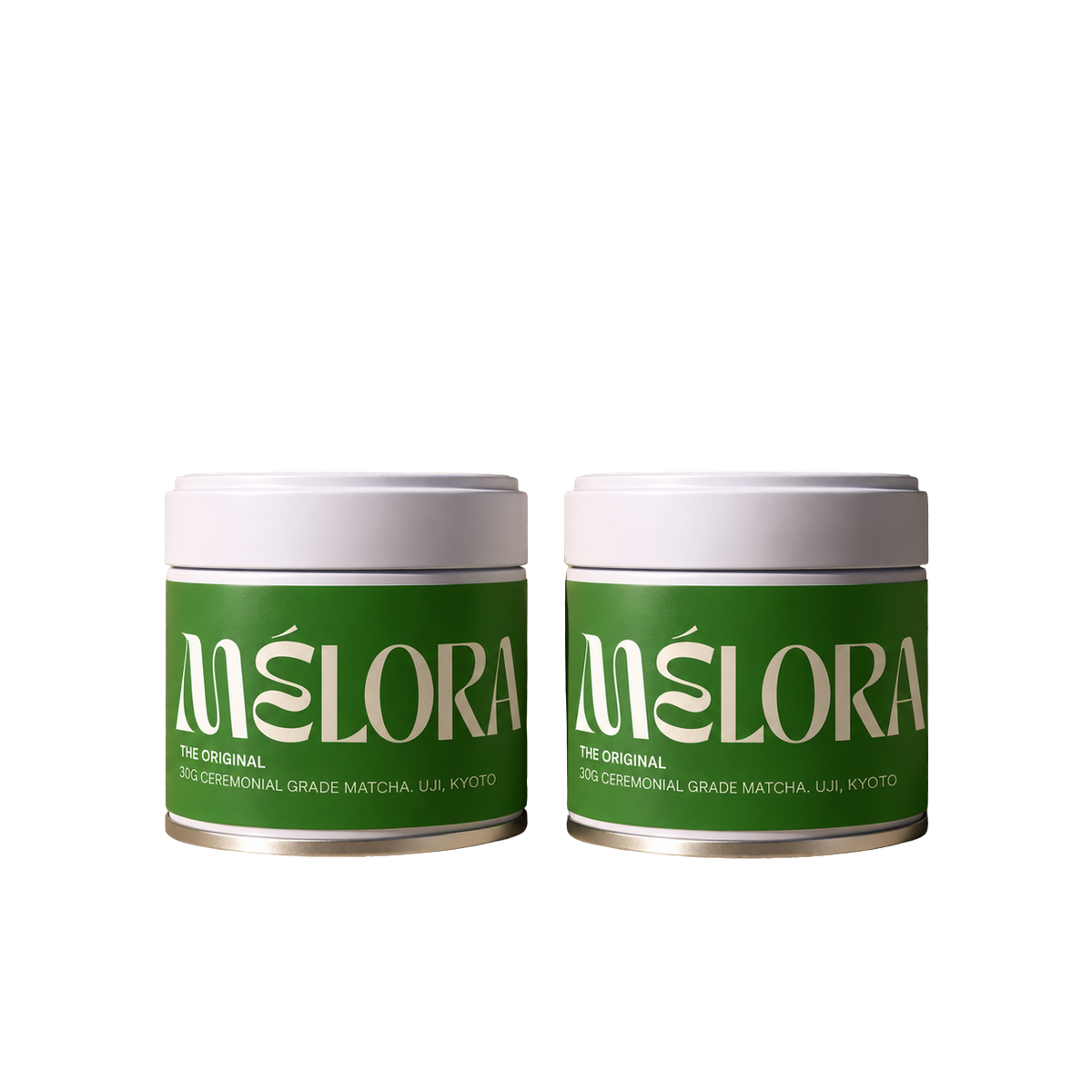
When we talk about where Mélora's matcha comes from, we always come back to the same place: Uji, Kyoto. Not because it sounds impressive, but because where matcha is grown genuinely changes what ends up in your cup.
Uji isn't just a location. It's the reason Japanese matcha became what it is.
Over 800 years of tea heritage
Uji's relationship with tea dates back to the 13th century, when tea seeds were first brought to the region and found exceptional growing conditions. By the 14th century, the designation "Uji-cha" - Uji tea - had already become a mark of quality, sought after by the Japanese court and later protected by the Tokugawa Shogunate.
During the Edo period, the shade-growing technique essential to matcha production was invented right here in Uji. The Shogunate's protection meant the method wasn't shared outside the region for centuries - a level of controlled craft that shaped Japanese tea culture in ways that still matter today.
The Tsuen tea shop in Uji has been operating since 1160, making it one of the oldest tea establishments in the world. This isn't a region that discovered matcha recently. It's a region that built the tradition.
The geography matters
Uji sits between the ancient capitals of Nara and Kyoto, in a valley shaped by the Uji River. The river, fed by Lake Biwa, creates morning mist that rolls through the valley and naturally moderates temperature and humidity - conditions that are ideal for producing the umami-rich flavour compounds in premium green tea.
The mountainous terrain provides natural shade and cooler growing conditions, which slows the growth of the tea plant and concentrates flavour. Combined with intentional shade-growing before harvest, this gives Uji matcha its characteristic sweetness and depth.
Shade growing: where the flavour comes from
About three to four weeks before harvest, tea plants in Uji are covered to block out most of the sunlight. This stresses the plant - in the best possible way. Deprived of direct sun, it produces more chlorophyll (which gives the leaves their vibrant green colour) and more L-theanine, the amino acid responsible for matcha's calm, focused energy and naturally sweet flavour.
This is the single most important step in producing ceremonial grade matcha. Without proper shade growing, the leaf chemistry changes - less L-theanine, more tannins, and the bitter, astringent flavour that most people associate with lower quality matcha.
Stone ground, slowly
After harvest, the stems and veins are removed from the leaf, leaving only the pure tencha. This is then ground into powder using traditional granite stone mills. Quality mills run at around 30 revolutions per minute - deliberately slow, to prevent heat build-up that would damage the delicate flavour compounds.
It takes roughly one hour to produce 30 to 40 grams of matcha this way. It's not efficient. It's not supposed to be. The result is a powder so fine it almost disappears on your fingertip - and a flavour that couldn't be achieved any other way.
Why we chose Uji
Annie spent over 18 months testing more than 10 suppliers before settling on Uji. The difference wasn't subtle. When you taste matcha from the right producer in the right region, using the right methods, the gap between that and everything else becomes immediately obvious.
Uji is not a marketing story. It's where the best matcha comes from - and it's why Mélora exists where it does in the market.
Sources
Mizuba Tea Co. - A Little Sip of Uji Cha: Matcha's History in the Region: mizubatea.com
Bokksu - Uji Matcha: Kyoto's Most Famous Green Tea Explained: bokksu.com
Wikipedia - Uji, Kyoto: en.wikipedia.org